Intro
Time
Role
Order management
6 months, 2025
Lead UX/UI designer
Design process
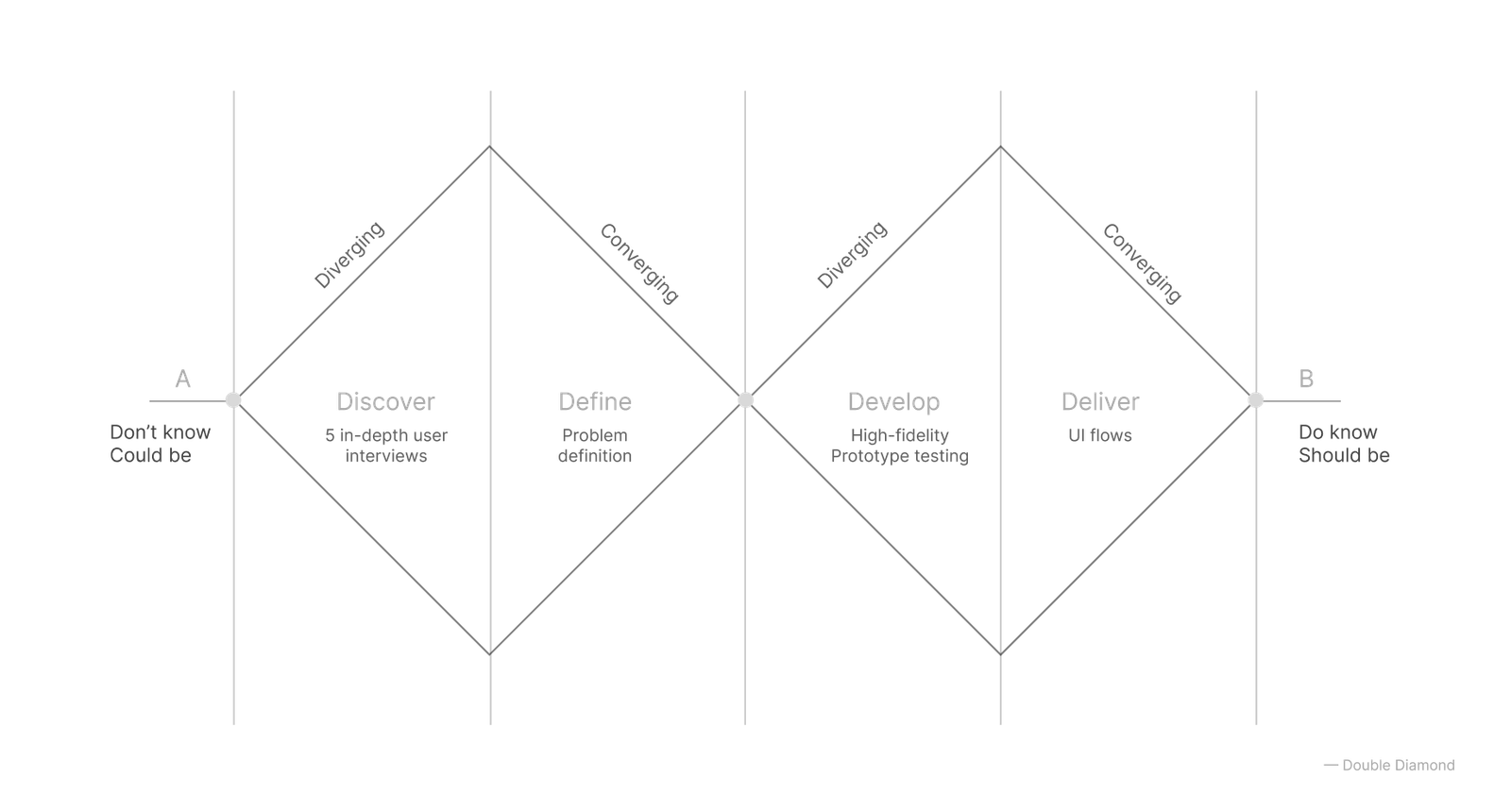
#1 Discover & Define
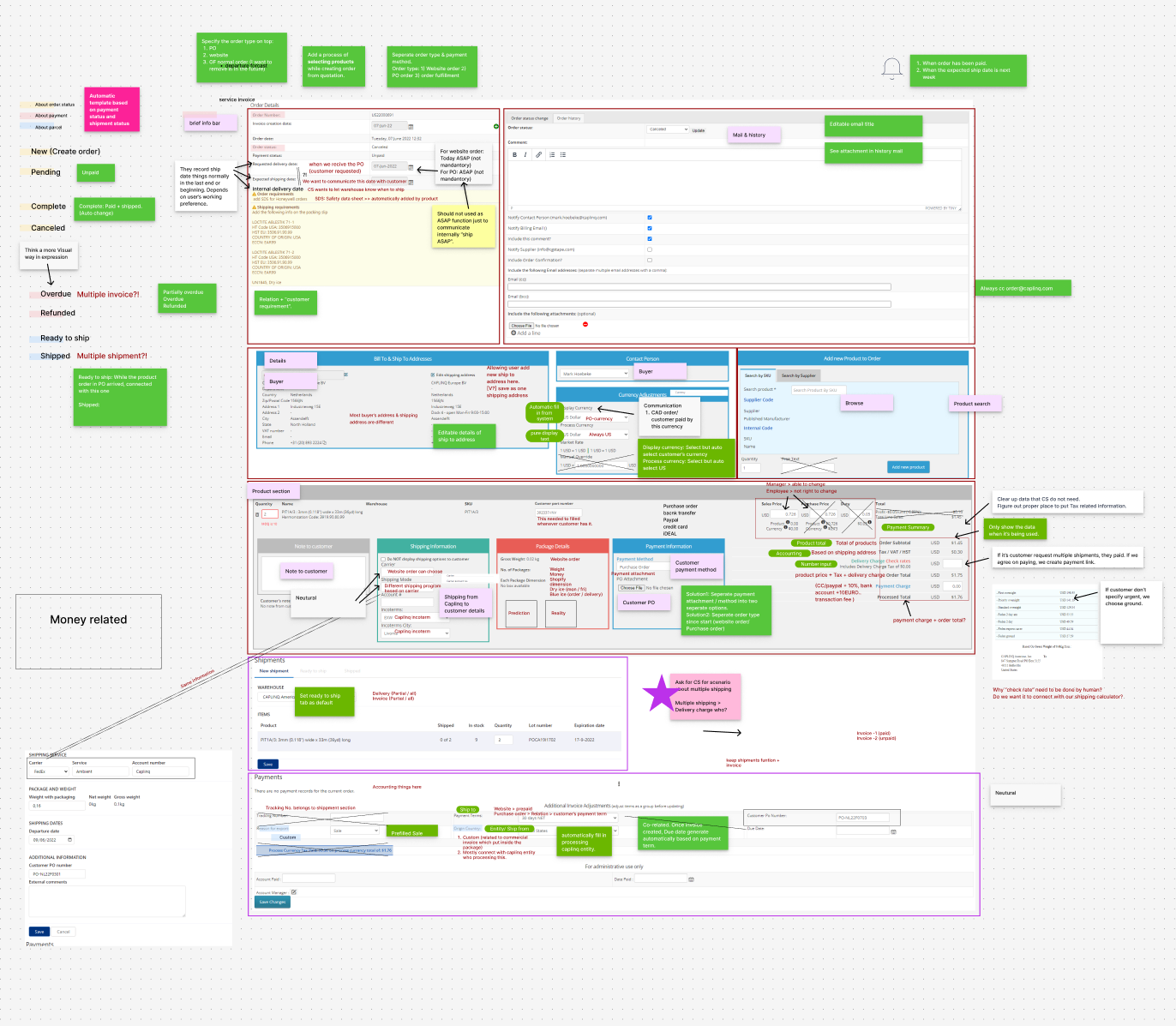
5 in-depth user interviews
User’s responsibility
Users’ location
Customer services, warehouse personnel, accountant
the Netherlands, the United State, Canada, and Malaysia
Cross-functional insights from five international users across diverse entities highlight three critical findings:
Problem statement
The lack of visual consistency and scattered functionality prevents users from distinguishing between order types, causing them to misuse features and lose track of their workflow.
#2 Develop
High-fidelity prototype testing
Our 8 prototype testing confirms that these features support diverse user needs by minimizing distractions and enabling task-specific focus throughout the journey.

#3 Deliver
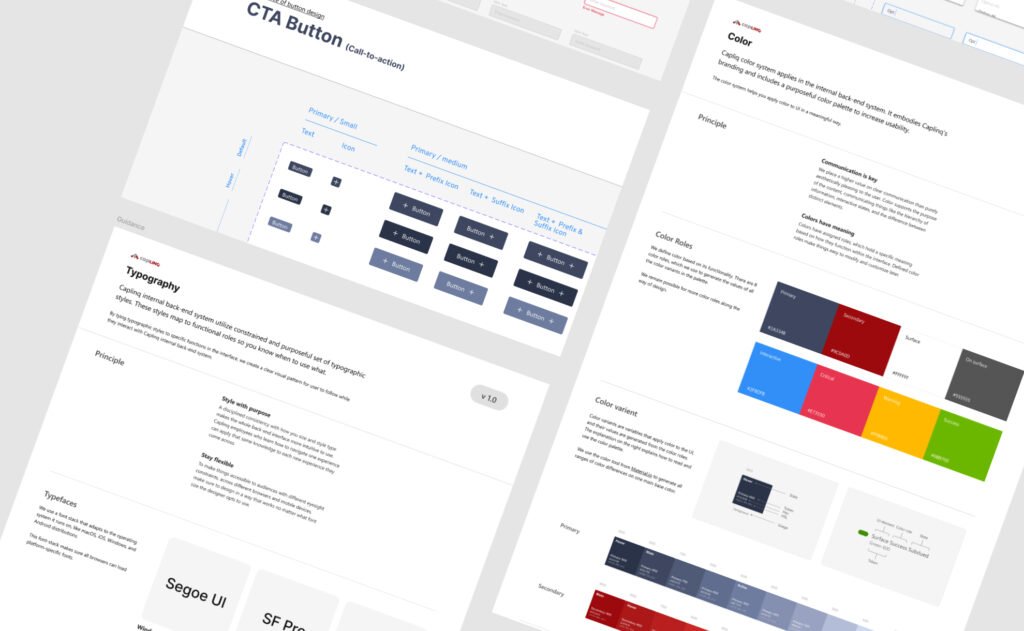
Comprehensive design system
Building up consistent visual language guideline for 30+ UI components. This support us to streamline the color usage based on intention over 40+ pages in the system.
Distinct user flows
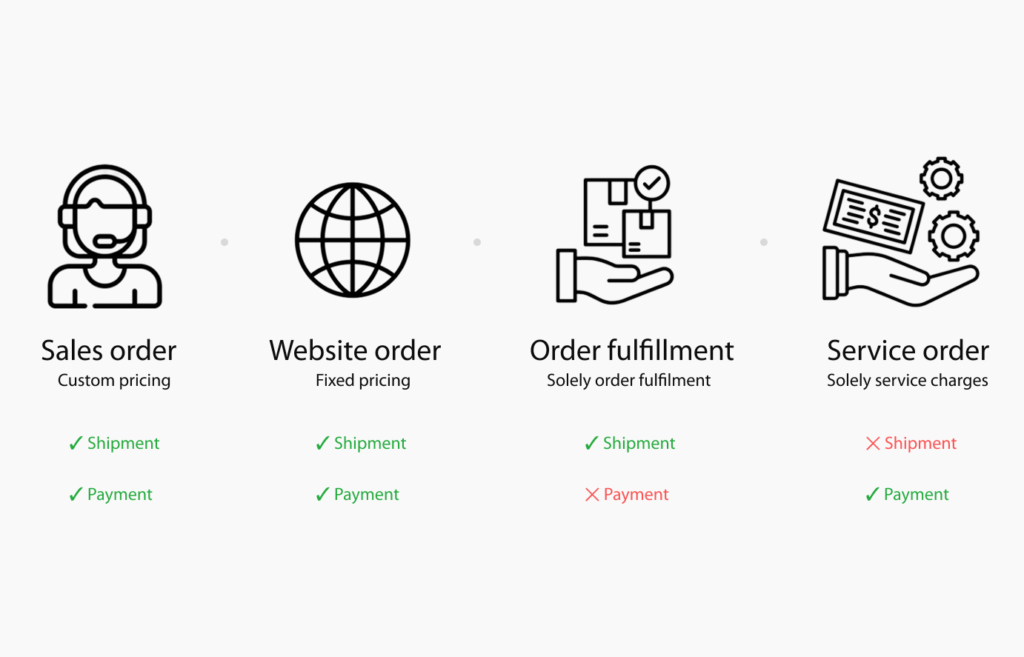
There are four key order types with distinct fulfillment criteria:
Sales order: Includes shipment, payment, and custom pricing or requirements.
Website order: Includes shipment, payment, and fixed pricing via the official website.
Order fulfillment order: Focuses solely on shipment.
Service fulfillment: Focuses solely on service fees.
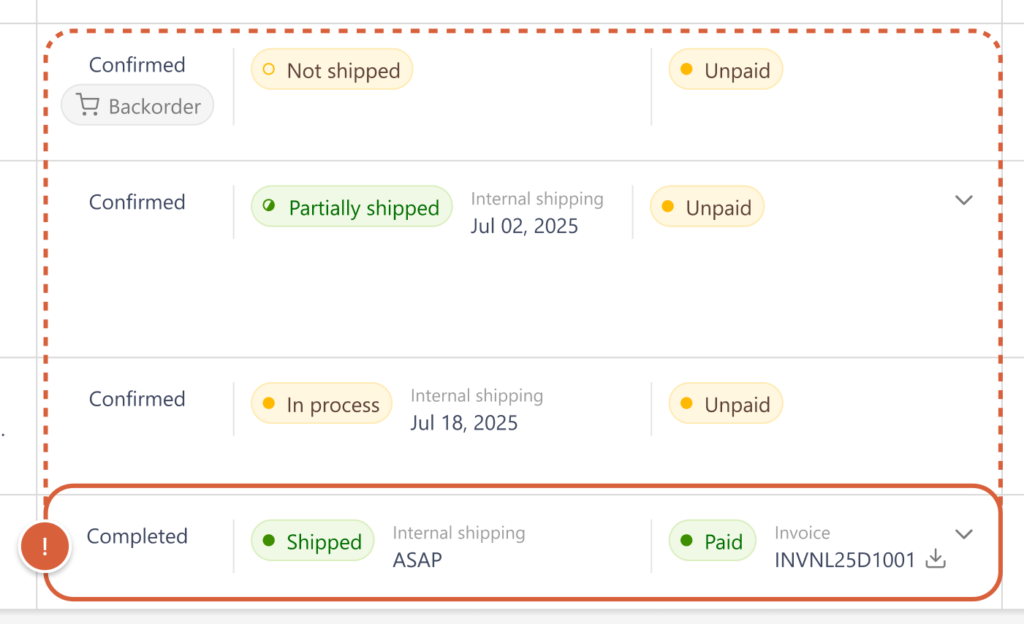
Smart status management
By automating the conditions for different order types, we eliminate manual status changes that lead to errors and confusion. Each order features a primary status that indicates whether it is fulfilled. Shipment and Payment serve as sub-statuses , which are triggered by specific actions.
For example, a Sales/Website Order is only marked as “Fulfilled” once it is both fully shipped and paid. In contrast, Service Orders or other fulfillment types only require either shipment or payment to trigger the final fulfillment status.
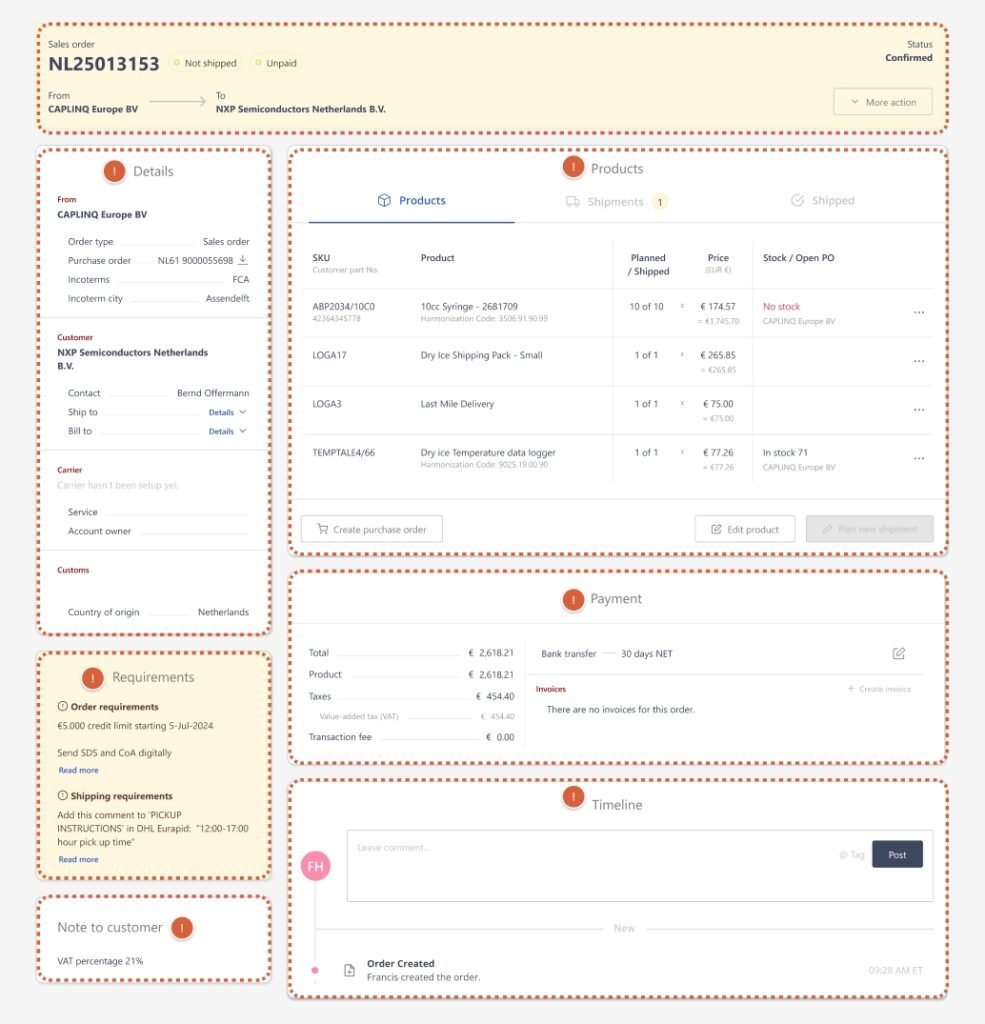
Card-based functional organization
Utilizing a card-sorting approach reduces cognitive load, allowing users to locate specific actions more efficiently. The cards are prioritized according to the importance of each order stage:
The order of the cards are also being prioritized by the importance of each stages.
Status Card: Displays essential high-level order information.
Products Card: Manages ordered items and shipment details.
Payment Card: Handles pricing, payment methods, and invoices.
Details Card: Manages customer-specific order data.
Requirement Card: Outlines customized ordering and shipping instructions.
Timeline Card: Tracks all actions and operators in chronological order.
Divided responsibilities
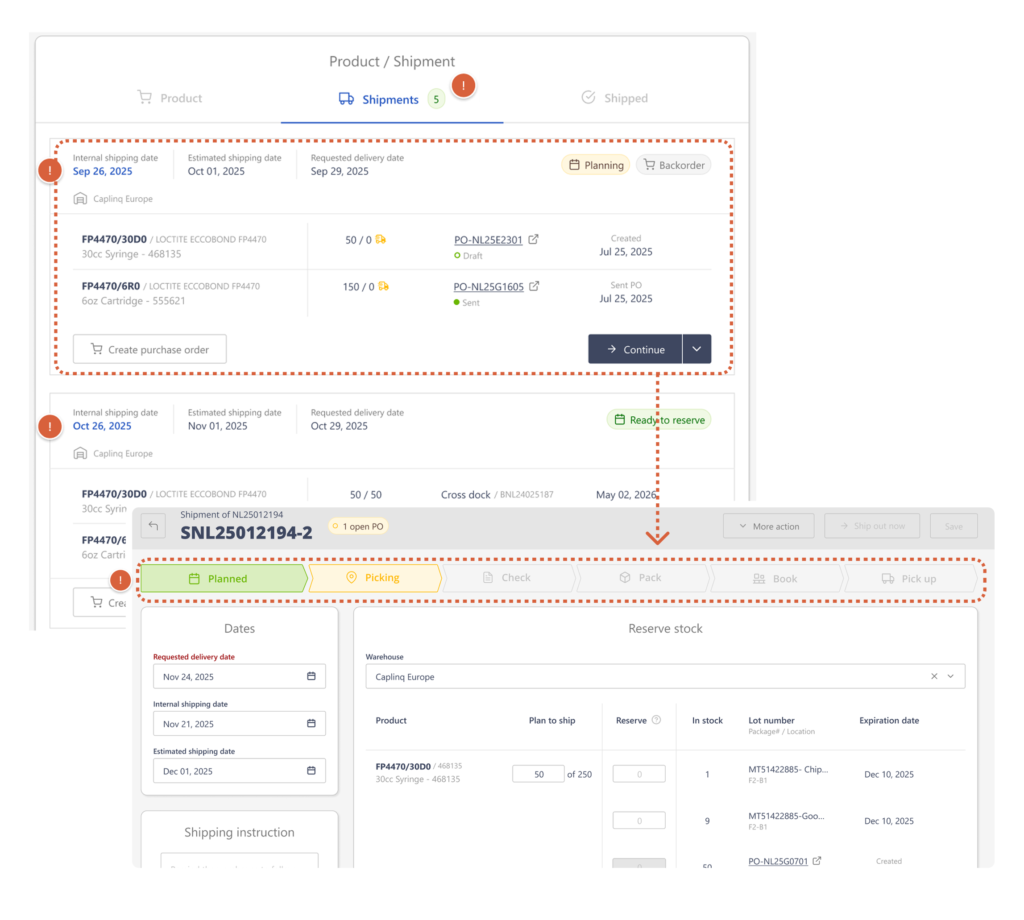
The shipment process is a coordinated effort between Customer Service and Warehouse personnel to ensure order accuracy and logistical efficiency.
Customer Service (CS) Responsibilities
- Order & Status Management: Oversees the end-to-end order lifecycle and maintains timely communication with the client.
- Inventory Allocation: Reserves stock from the optimal warehouse location, strictly adhering to First-In, First-Out protocols.
- Supply Coordination: Initiates and manages new purchase orders to suppliers whenever internal inventory levels are insufficient.
Warehouse Personnel Responsibilities
- Inbound & Outbound Logistics: Focuses on the physical receipt of goods from suppliers and ensuring all customer orders are dispatched on schedule.
- Shipment Lifecycle Execution: Manages the progression of each shipment through six sequential sub-statuses: Planning → Picking → Checking → Packing → Booked → Dispatched.
I think the process is getting more clear and prettier then before!
– customer service personeel based in the Netherlands